Thermoforming Packaging Systems
01 Mayıs
01 Mayıs 2026

Selecting the right thermoforming packaging machine is one of the most important decisions a food or beverage producer will make. The correct choice directly affects production capacity, packaging quality, operating costs, and how easily a facility can adapt to new products in the future. With several machine series and configurations available, understanding what actually matters for your production line makes the decision much easier.
Betapak designs and manufactures a wide range of automatic thermoforming machines, from compact entry-level units to high-capacity complete production lines. This guide walks through the key factors to evaluate before investing in a thermoforming machine and shows which Betapak solutions are built for each need.
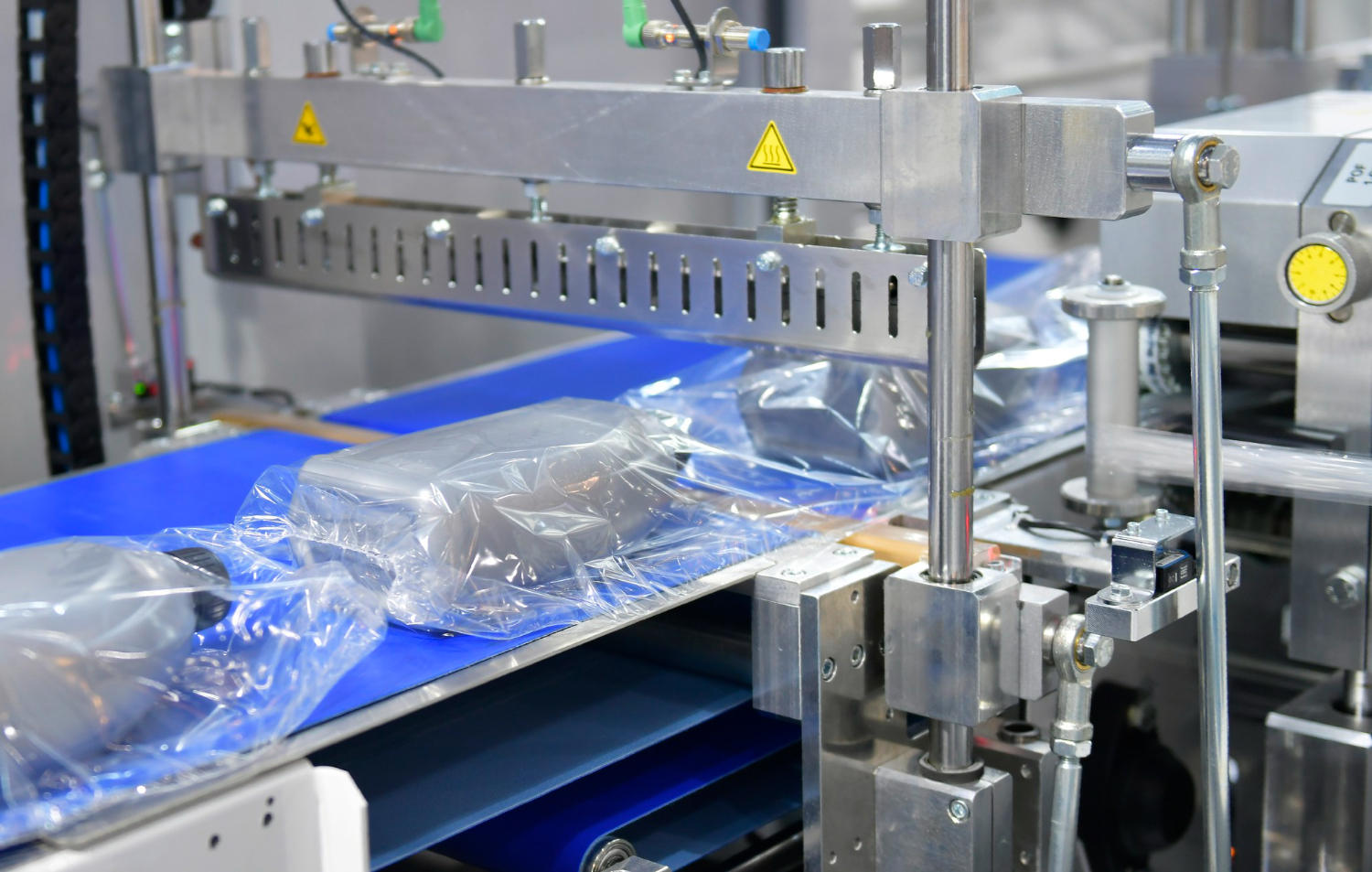
A thermoforming packaging machine automatically forms a plastic base film into individual cavities using heat and vacuum, fills or places the product, applies a lid film, and seals the package — all within a single continuous production line. Depending on the configuration, the sealing step can be performed as a simple vacuum seal, a Modified Atmosphere Packaging (MAP) process, or a skin-tight vacuum finish.
Production volume is usually the starting point. A small or growing operation may only need a machine producing a few thousand packs per shift, while a large-scale facility may require tens of thousands of units per hour. Betapak's Bpt JR is built for startups and smaller operations with a modest, reliable cycle rate, while the Bpt Complete Line & High Capacity is designed for large-volume production, capable of reaching tens of thousands of packs per hour while requiring only a small operating crew.
Base film type (PVC, PS, PET), lid film type, maximum reel diameter, and mold cavity depth all need to match the products being packed. Deeper or wider molds are required for bulkier products, while shallow molds suit flat items such as sliced meats or spreadable foods. Always confirm these dimensions against your product range before finalizing a machine model.
Not every product needs the same sealing technology:
Higher automation reduces labor costs and human error but typically comes with a higher initial investment. Machines such as the Bpt Complete Line & High Capacity include automatic cartoning and near zero-waste film cutting, allowing high-volume output to be managed by a very small team.
Some products require dedicated machine configurations. For example, the Bpz 400 Medical is designed for medical and sterile packaging requirements, while the Bpz Joy Box Line is built for specialty box-style packaging. If your product requires an integrated, pre-decorated container, the Bpt-Y IML Series, with In-Mould Labeling, applies labels directly during the forming process.
Compact entry-level machines like the Bpt JR can fit into a small production footprint and typically require standard compressed air and chilled water supply. Larger, high-capacity lines require more floor space, higher film-roll storage capacity, and stronger utility infrastructure, so it is important to plan facility layout in advance.
A thermoforming line runs continuously, so fast access to technical service and spare parts is critical for minimizing downtime. Choosing a manufacturer with strong local and international support, like Betapak, reduces the operational risk of an unexpected stoppage.
The Starter Series is Betapak's entry point for businesses beginning or scaling up thermoform packaging. It includes the Bpt JR, Bpz JR, Z 105, and Bpz 400, offering reliable, durable machines without the footprint or cost of a full production line.
The Bpt Series covers a full range of automatic thermoforming machines, from the Bpt JR up to the Bpt Complete Line & High Capacity. In between, the Bpt-P Series, Bpt-Y Series, and Bpt-S Series provide mid-range capacity options suited to growing production needs, while the Bpt-Y IML Series adds in-mould labeling for specialty packaging.
The Bpz Series is built around Modified Atmosphere Packaging, with models such as the Bpz JR, Z 105, Bpz 400, Bpz 400 MAX, the Bpz Joy Box Line for specialty box formats, and the Bpz 400 Medical for sterile medical packaging.
For products where presentation and shape retention matter most, the Skinpack Series forms a vacuum-tight film directly around the product, extending freshness while showcasing the product through transparent film.
A complete packaging line often needs more than the thermoforming unit itself. Betapak's Filling Systems automate product dosing before sealing, and the Bph-S Lineer supports additional automated handling within the production line.
A thermoforming machine forms its own package cavity from a roll of film before filling and sealing it, making it suitable for high-volume, standardized packaging. A stand-alone vacuum machine, by contrast, seals pre-made bags or trays and is typically used for lower volumes or more flexible packaging formats.
Many Betapak models, particularly within the Bpz Series, are configured to handle both Modified Atmosphere Packaging and standard vacuum sealing, giving manufacturers flexibility across different product lines without needing separate machines.
Capacity should be based on current order volumes plus realistic growth over the next few years. Entry-level machines like the Bpt JR suit smaller and starting operations, while high-capacity lines such as the Bpt Complete Line & High Capacity are designed for large-scale, continuous production.
MAP is highly effective for meat, dairy, ready meals, and fresh produce, but the ideal gas mixture and machine configuration depend on the specific product. It is best to review product requirements with the manufacturer before selecting a machine model.
Confirm required production capacity, film and mold dimensions, the appropriate packaging technology (MAP, vacuum, or skin pack), available floor space and utilities, and the availability of local technical support and spare parts.
Selecting the right thermoforming machine is not just about specifications on paper — it is about matching a machine to your product range, production goals, and future growth plans. Betapak offers a full spectrum of thermoforming solutions, from the compact Starter Series to high-capacity complete lines, along with MAP, vacuum, and skin packaging technologies, helping manufacturers find the exact configuration that fits their production line.